
What happens after treatment ends?
You may have seen your doctor, completed treatment, or been discharged from physiotherapy — and are now wondering what comes next. For many people, this stage can feel uncertain, even though it’s a vital part of long-term recovery.
Rehabilitation is a gradual process, and not just a physical one. We work with you to rebuild strength, movement and confidence at a pace that feels right for you, providing clear guidance and ongoing support throughout. Our aim is to turn uncertainty into progress, helping you move forward with reassurance, purpose and belief in what your body can do again.
We’ve supported people returning to activity after a wide range of injuries and physical setbacks, and our approach is always tailored, gradual and guided.
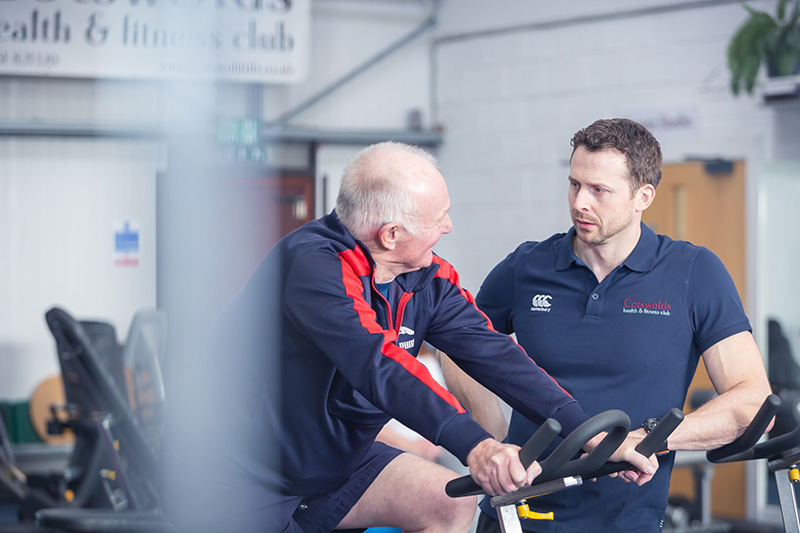


Rehabilitation begins with listening and understanding your situation.
- We start with a conversation about your injury, history and any guidance you’ve been given.
- Your recovery plan is shaped around you, taking into account your movement, strength and confidence.
- Progress is gradual and guided, with exercises chosen to suit where you are now and what you’re working towards.
- Support adapts as you improve, with clear explanations and adjustments as your strength, movement and confidence develop.
There is no pressure to rush or push beyond what feels appropriate — recovery always moves at your pace.
Our aim is to help you move forward with confidence, not fear.
Every situation is different, so rehabilitation is adapted to the individual — taking into account where you are now, what you’ve been through and what you want to get back to.
This includes working with people recovering from, or managing:
- Shoulder, knee and hip injuries
- Back and neck pain
- Post-surgical recovery
- Tendon and ligament injuries
- Joint pain and reduced mobility
- Long-term or recurring injuries
- Confidence loss following injury or time away from activity
Rehabilitation is specialist personal training
Injury rehabilitation is delivered through one-to-one personal training, adapted around your injury, recovery and individual starting point.
Sessions focus on rebuilding strength, movement and confidence through carefully selected exercises and progressive training, with the level of support continually adapted as you improve.
You don’t need to be “fully recovered” before you begin — the training starts from where you are now and progresses from there.
Not sure where to start?
If you’re unsure whether rehabilitation is right for you, we’re always happy to have a conversation.
Get in touch to talk through your situation and how we may be able to help.
A trainers role is not to replace medical care, but to provide structured, supported progression as you rebuild strength, movement and confidence.