Post-Surgery Rehabilitation
The purpose of post-surgery rehabilitation shifts from preparing the body to a programme aimed at restoring function, preventing complications, and supporting long-term recovery
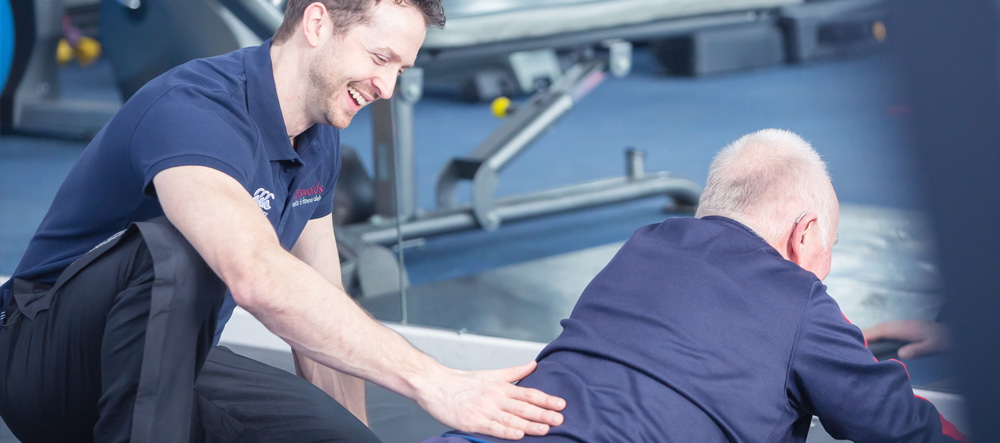
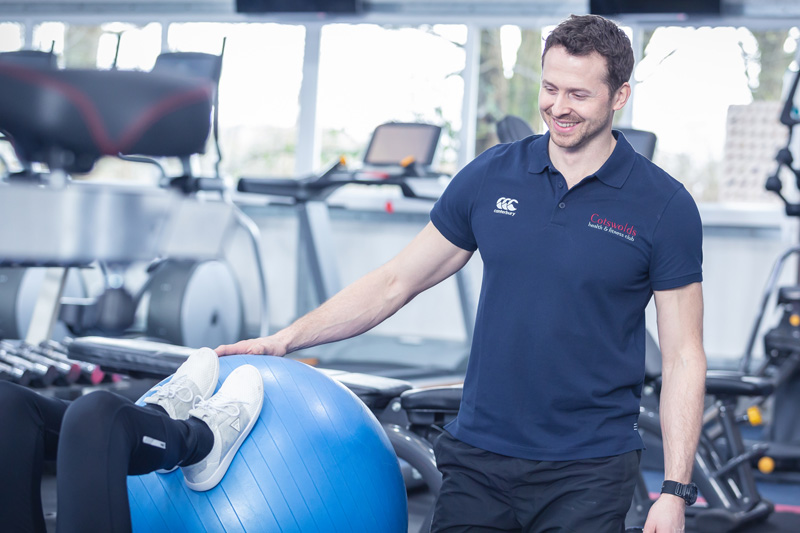
We help you on your recovery journey post-surgery to restore physical function
What does this mean in practice? We help you with muscle strength, joint mobility and flexibility, and general cardiovascular fitness
Muscle strength: Surgery and immobilisation cause rapid muscle loss (atrophy). A structured programme helps rebuild strength gradually and safely.
Joint mobility & flexibility: Early controlled movement prevents stiffness and contractures, making it easier to regain full range of motion.
Cardiovascular fitness: Post-op exercise helps restore endurance, improve energy levels, and reduce fatigue that comes with inactivity.
Tailored physical therapy can also help reduce post-surgical risks
Blood circulation: Gentle activity reduces the risk of deep vein thrombosis (DVT) and promotes healing by increasing oxygen and nutrient supply to tissues. Lung health: Breathing and aerobic exercises lower the risk of pneumonia or other respiratory issues after anaesthesia. Scar and tissue healing: Controlled loading through exercise helps prevent excessive scar tissue formation and supports tissue remodelling.
Enhancing Long-Term Recovery
Faster return to daily activities: Rehab shortens recovery timelines, helping patients regain independence sooner.
Better functional outcomes: Targeted exercises ensure the injured body part not only heals but regains its prior strength and function.
Pain reduction: Movement encourages blood flow, reduces swelling, and helps manage pain without relying solely on medication.
Targeted Conditioning of the Surgical Area
Gradual load progression: Carefully planned exercises strengthen tissues without overstressing the surgical repair.
Supportive muscle training: Strengthening surrounding muscles protects the surgical site and improves stability.
Neuromuscular re-education: Balance, coordination, and strength training help retrain the body to move correctly and avoid compensatory habits.
Example of a Post-Surgery Fitness Programme
Protection & Early Mobility: Breathing exercises, circulation drills, gentle range-of-motion (as prescribed), and isometric contractions.
Strength & Control: Gradual resistance training, core stability work, and controlled mobility.
Functional Training: Activities mimicking daily tasks (sit-to-stand, lifting, stair climbing).
Return to Full Activity: Sport/Activity-specific or work-specific drills once healing is advanced.
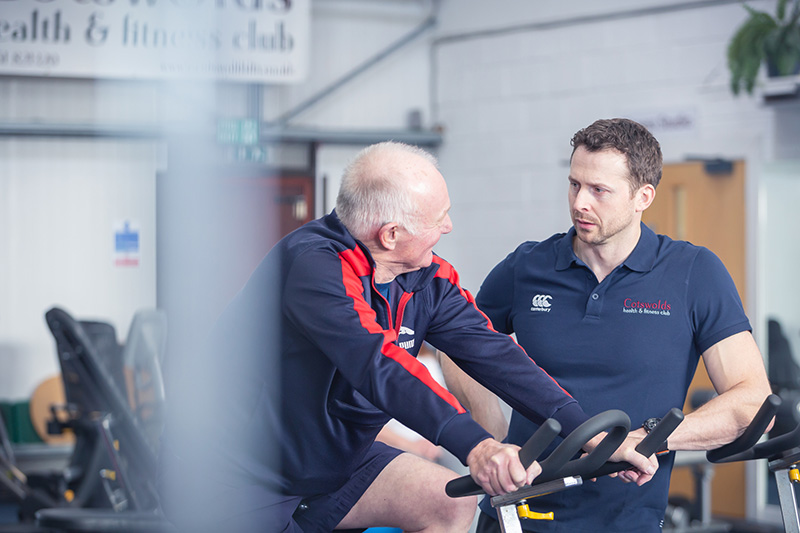
Supporting elements: Flexibility/stretching, low-impact cardio (cycling, swimming, walking), balance training, and scar management techniques.
A post-surgery fitness programme is central to rehabilitation. It restores strength, mobility, and endurance, prevents complications, supports healing of the surgical site, and improves both mental and physical resilience.
Done progressively and under guidance, it transforms surgery from a setback into a stepping stone toward full recovery.
What We Do
We love health and fitness, we love making people feel better and we love seeing people get the results they want.

Gym Membership
A great cost effective way to train in a relaxed environment

Personal Training
12 years of expertise for your health and fitness journey

Injury Rehabilitation
Your journey has just started. There is a road ahead which will lead to a vast improvement in your symptoms

Studio
Our multi-functional space hosts a range of activities such as classes, personal training & neurological rehabilitation
Free Trial
Come along for a no-obligation complementary assessment with one of our personal trainers – no pressure, just an opportunity to see how we can help you. Please fill in this form and we will be in contact to book a session for you.
