Preparing for Surgery After an Injury

Often called "prehabilitation" (or prehab); tailored physical therapy plays a huge role in preparing the body (and mind) for surgery after an injury. The goal is to improve strength, mobility, endurance, and overall health so that recovery is smoother and outcomes are better.

We help you get in the best physical and metal condition before surgery

What does this mean in practice? We help you with muscle strength, joint mobility and flexibility, and general cardiovascular fitness

Muscle strength: Injury and inactivity can cause muscle weakness. A prehab programme strengthens the surrounding muscles, which can support the injured area and compensate for post-surgical weakness.

Joint mobility & flexibility: Restoring or maintaining range of motion before surgery makes it easier to regain function afterwards, as stiffness is less severe.

Cardiovascular fitness: Surgery and immobility can decrease endurance. Aerobic Light training (like walking, rowing, cycling, or swimming) improves circulation, oxygen delivery, and stamina, which are critical for healing.

Tailored physical therapy can also help reduce surgical risks

Better circulation: Exercise before surgery reduces risks of blood clots (deep vein thrombosis) and improves tissue oxygenation, aiding recovery. Body composition: Prehab may help with weight management, lowering stress on joints and reducing anaesthetic complications. Metabolic health: Improved fitness helps regulate blood pressure, blood sugar, and cholesterol, which can lower the risk of surgical complications.

How this can help your recovery post surgery

Faster return to function: Patients who build strength and mobility beforehand typically regain independence more quickly after surgery.

Shorter hospital stay: Studies show fitter patients often need less time in hospital and recover daily living skills sooner.

Pain management: A strong body and mind are better able to tolerate discomfort and handle post-surgery physical therapy.

Targeted Conditioning of the Injured Area

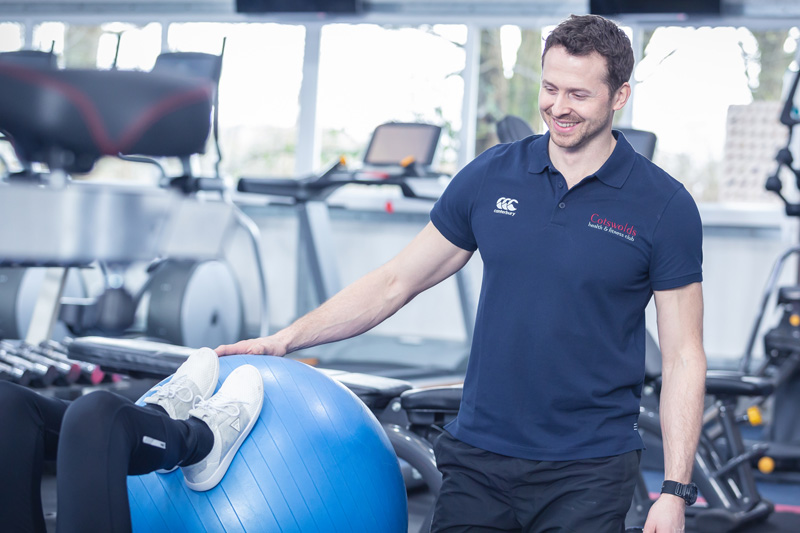
  • Protecting the joint/limb: Specific strengthening around the injured site (when safe) stabilises it and prepares it for post-op rehab.

  • Maintaining unaffected areas: For example, training the opposite limb, core, or upper body if a leg is injured, so the whole system stays conditioned.

  • Neuromuscular training: Balance, coordination, and proprioception exercises help the brain-body connection, so relearning movement after surgery is easier.

Example of a Pre-Surgery Fitness Programme

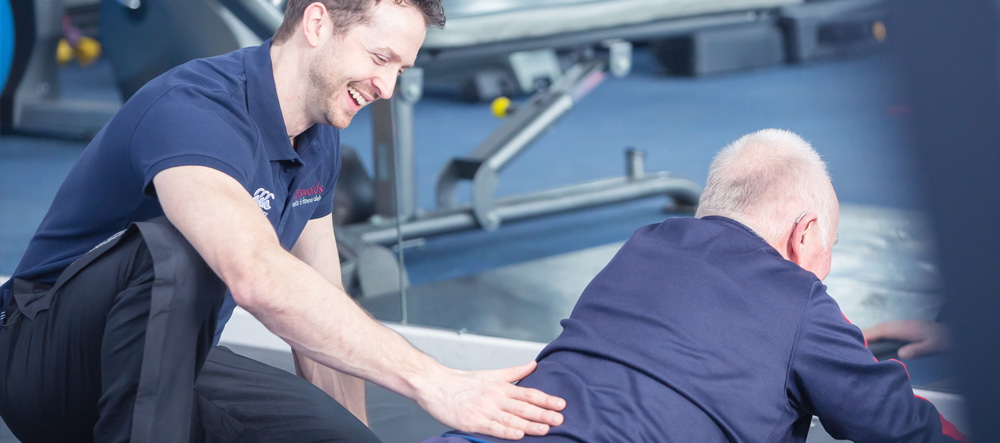
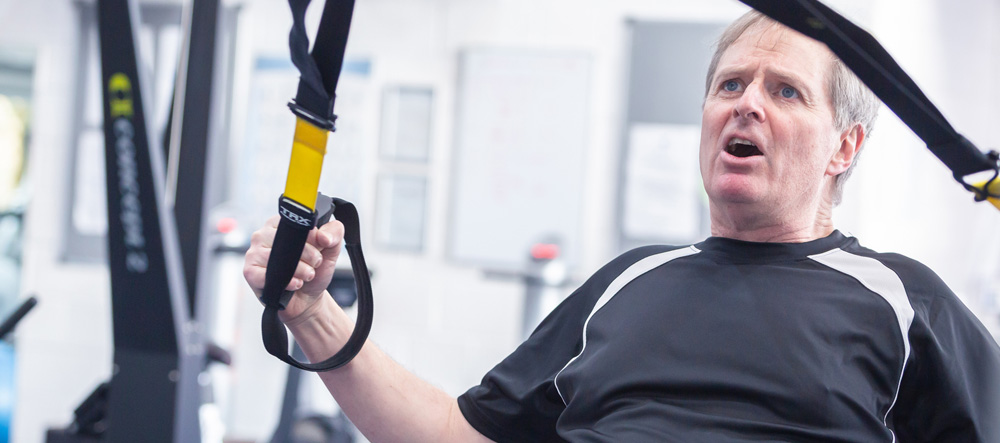
  • Strength training: Targeting core, upper/lower body, and especially muscles supporting the injured area.

  • Flexibility & mobility work: Stretching, yoga, or physiotherapy-led mobility drills.

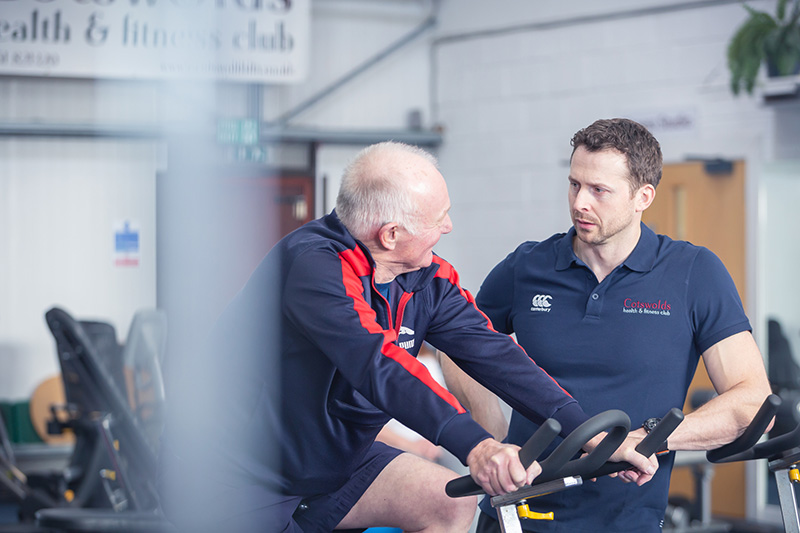
  • Cardio: Low-impact aerobic activity (cycling, swimming).

  • Breathing exercises: Deep breathing or inspiratory muscle training to prepare lungs for anaesthesia and prevent post-op complications.

  • Functional training: Practising movements relevant to daily living (sit-to-stand, stair climbing).

  • Education: Learning post-op exercises in advance (so they feel familiar afterwards).

member3
pt1

A fitness programme before surgery strengthens the body, lowers risks, and prepares both physically and mentally for the challenges of surgery and rehabilitation.

It makes recovery faster, safer, and more complete — turning surgery from a setback into a more manageable phase of healing.

Free Trial


Come along for a no-obligation complementary assessment with one of our personal trainers – no pressure, just an opportunity to see how we can help you. Please fill in this form and we will be in contact to book a session for you.